

A decade ago, while I had severe 'flu in Bordeaux, the notion came to me that most wine magazines provide both subjective 'scores' on the quality of wines, as well as the prices of bottles.
But no one combined both. Why? Because combining a subjective numerical score with an objective monetary value is like adding apples to oranges. The bases of the numbers differs.
While recuperating in bed from illness, I solved that problem by creating the Vino Value algorithm. For the next decade I fine tuned that method.
The Vino Value algorithm is best applied to one wine region at a time. Using it, I combine qualitative scores with prices to identify which wines are of the best relative value, or—have the best 'bang for the buck' for drinkers.
Based on this, the algorithm ranks wines as having a relative price value that is Good ♫, Excellent ♫♫, or Superlative ♫♫♫.

The purpose of the proprietary Vino Value algorithm is to identify value—which relates overall quality (from personal ratings, after tasting a wine) to retail price (obtained by winemakers as the retail price a bottle sells for at their winery, or in local stores). The algorithm combines subjective and objective data—including tasting scores, prices per bottle and sometimes others factors that may include distribution and aging potential. This was developed on the basis of methods I learned while studying for engineering degrees and an MBA, as well as on decades of performing management consultancies throughout the world. Methods embodied in the algorithm include regression analysis, interpolation, weighted scoring and price elasticity comparisons. Results are conditionally formatted to highlight value levels. The algorithm has also been honed based on years of experience sampling diverse wines.

Here is an example of a Forbes article where I used the algorithm to evaluate the relative value of wines from the Minervois region of southern France, where I now live.
A few notes about the algorithm are below.

One.
We expect that as the price of a bottle of wine increases, so should the quality of the wine inside. This, generally, is far from true. Take any issue of a renowned wine publication, such as Wine Spectator, and for a specific region (say, the Anderson Valley of California) if you plot the ‘experts’ numerical ratings for quality of wines (generally a number between 80 and 100) against the price per bottle, you would expect to see some semblance of a straight line, or linear relationship. In other words, higher prices should be associated with better quality wines. Instead, if you plot these points on an X-Y graph they resemble shotgun pellets sprayed against the side of a barn door. Correlation between price and quality?
Forget it.

The Vino Value algorithm takes a group of wines (usually from a specific region) and ranks them all according to price (low price means high score, high price means low score). It then takes subjective wine ratings (my own scores, or scores of others, based on tastings, and usually between 80 and 100 points) and combines these two numbers. That combination is modified depending on certain variables, such as the fact that buyers may be willing to pay significantly more once a wine reaches certain tiers in quality levels.

Based on this, the algorithm ranks wines as having a price value that is Good ♫, Excellent ♫♫, or Superlative ♫♫♫.
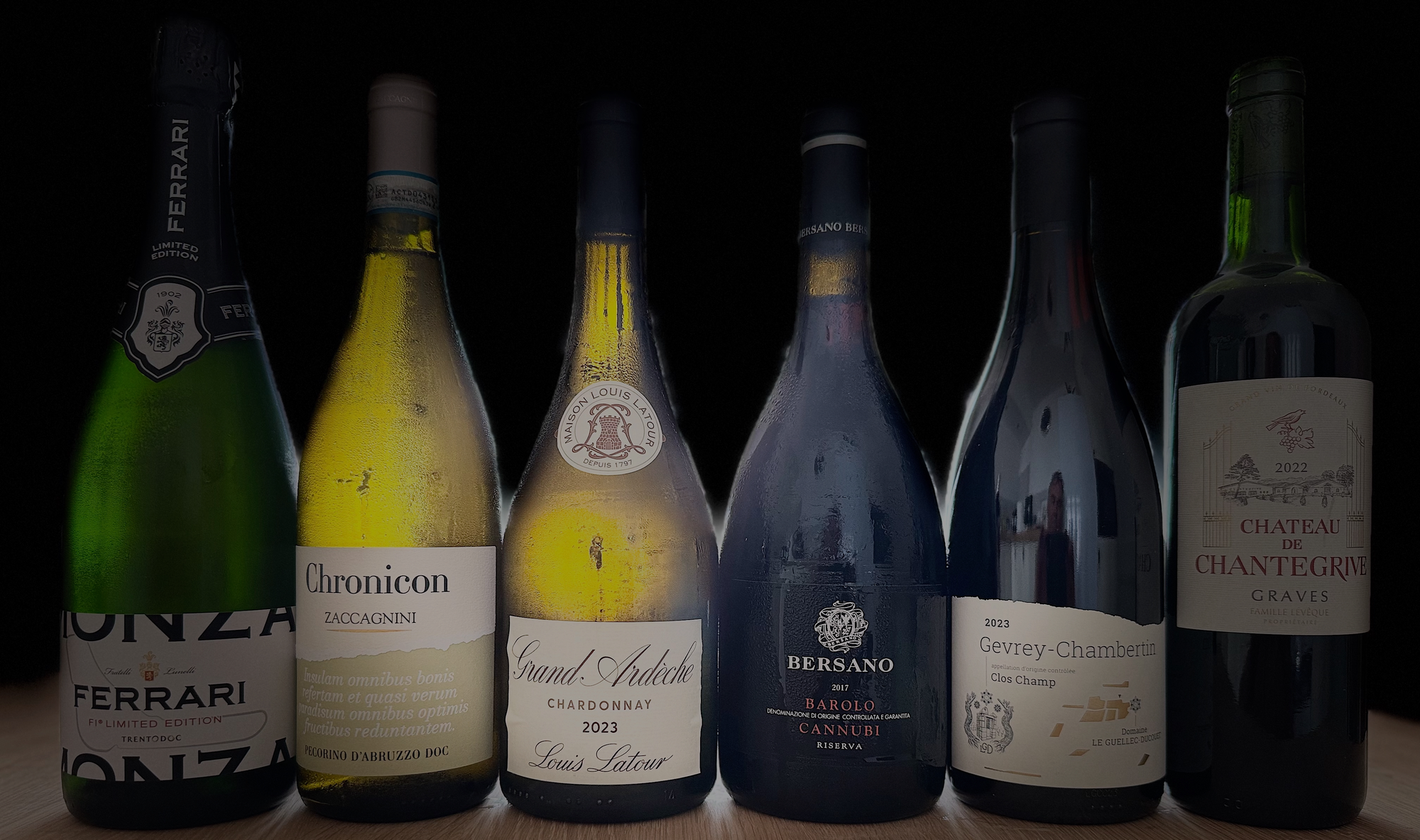
Two.
Using results from this algorithm, a list of wines is prepared where there are no losers. All wines listed that has been ‘value evaluated’ have—at least—good quality and decent comparative price value with respect to other wines from the same region. (If a stunning quality wine has an outrageously high relative price—it will not be included on a list.)

I often use this algorithm after tasting multiple wines from a region. I've published many lists of Vino Value evaluated wines in Forbes and also in the previous iteration of this Vino Voices site.
If you are interested in learning more, let me know!
Follow me on Instagram at @tjlmullen or at @VinoVoices.
Join Vino Voices
Enter your email address and tap Sign Up.
We'll send you a confirmation link right away.
It's free and you can unsubscribe anytime.
Check your inbox and spam folder if you don’t see the email within a few minutes.