
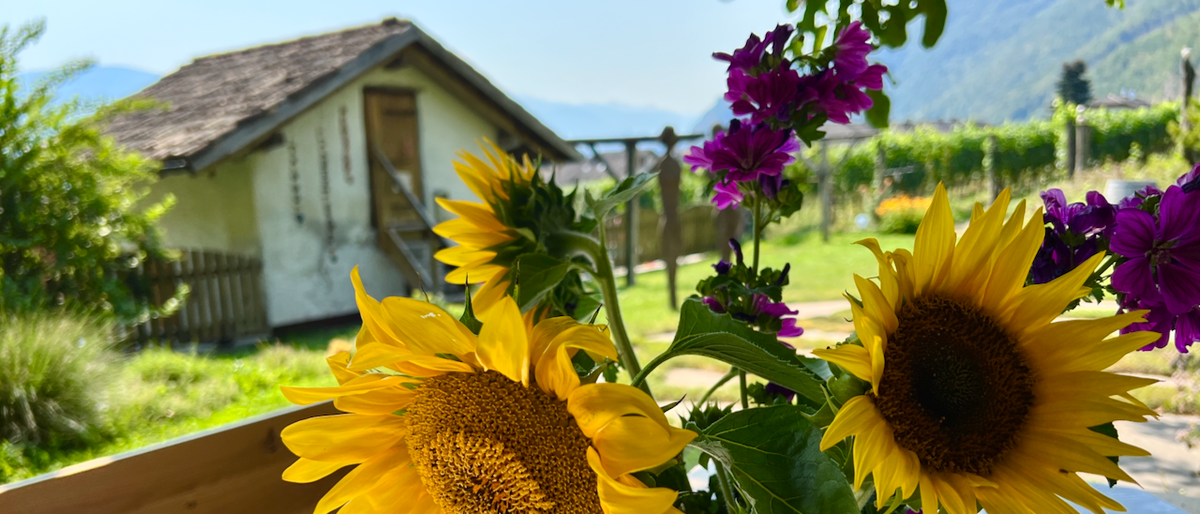
Overview of wine cooperatives in Europe
Some Cooperatives Produce Luxury Wines—
Wine cooperatives are collectively owned, and allow vine growers to pool their grapes, equipment and labor to produce, bottle and market wine. The advantages are that this reduces financial pressure on individual grape growers to buy, utilize and maintain their own equipment. Profits are shared based on volume or quality of grapes supplied.
I wrote this Forbes article a few years ago about the amazing, luxury wines produced by the cooperative Cantina Terlan in Alto Adige, northern Italy.
Generally, wine from cooperatives is less expensive than wine from private cellars—due to economies of scale, due to market positioning for supplying bulk and supermarket wines, and perception by consumers that cooperatives prioritize volume over exclusivity.
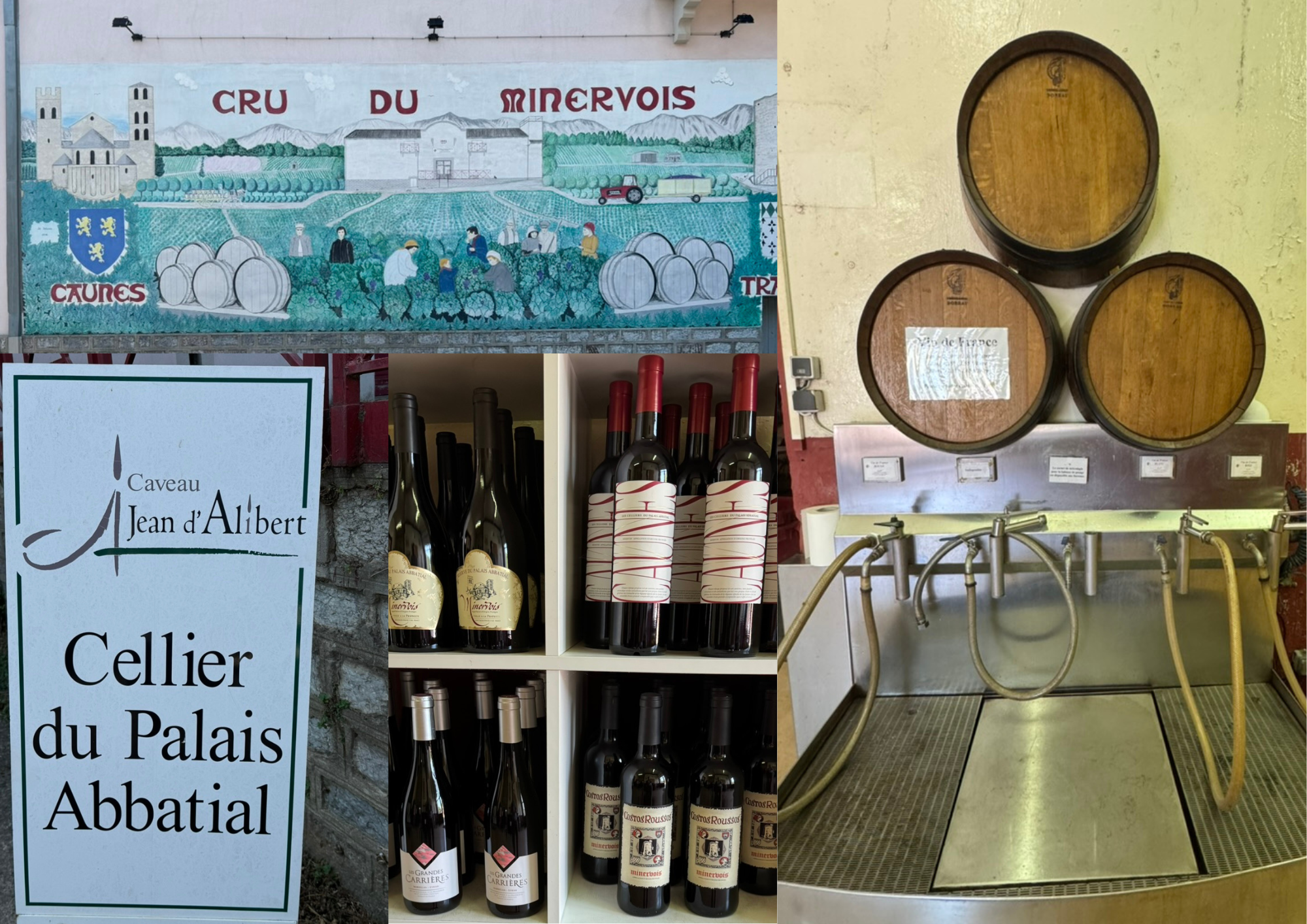
However, when it comes to the premium wine segment from cooperatives, this difference shrinks or disappears.
In France, up to 50% of wines are produced by cooperatives. In Italy, it is up to about 60% and in Spain, up to about 70% is produced by cooperatives.
Why the difference? It is tied to various factors that include vineyard size and limited access to capital.
In France, the average vineyard holding is about 10.5 ha (or 25 acres); Italy's average vineyard holding is about 2.3 ha (or about 6 acres), and in Spain the average vineyard holding is about 1.9 ha (or about 5 acres).
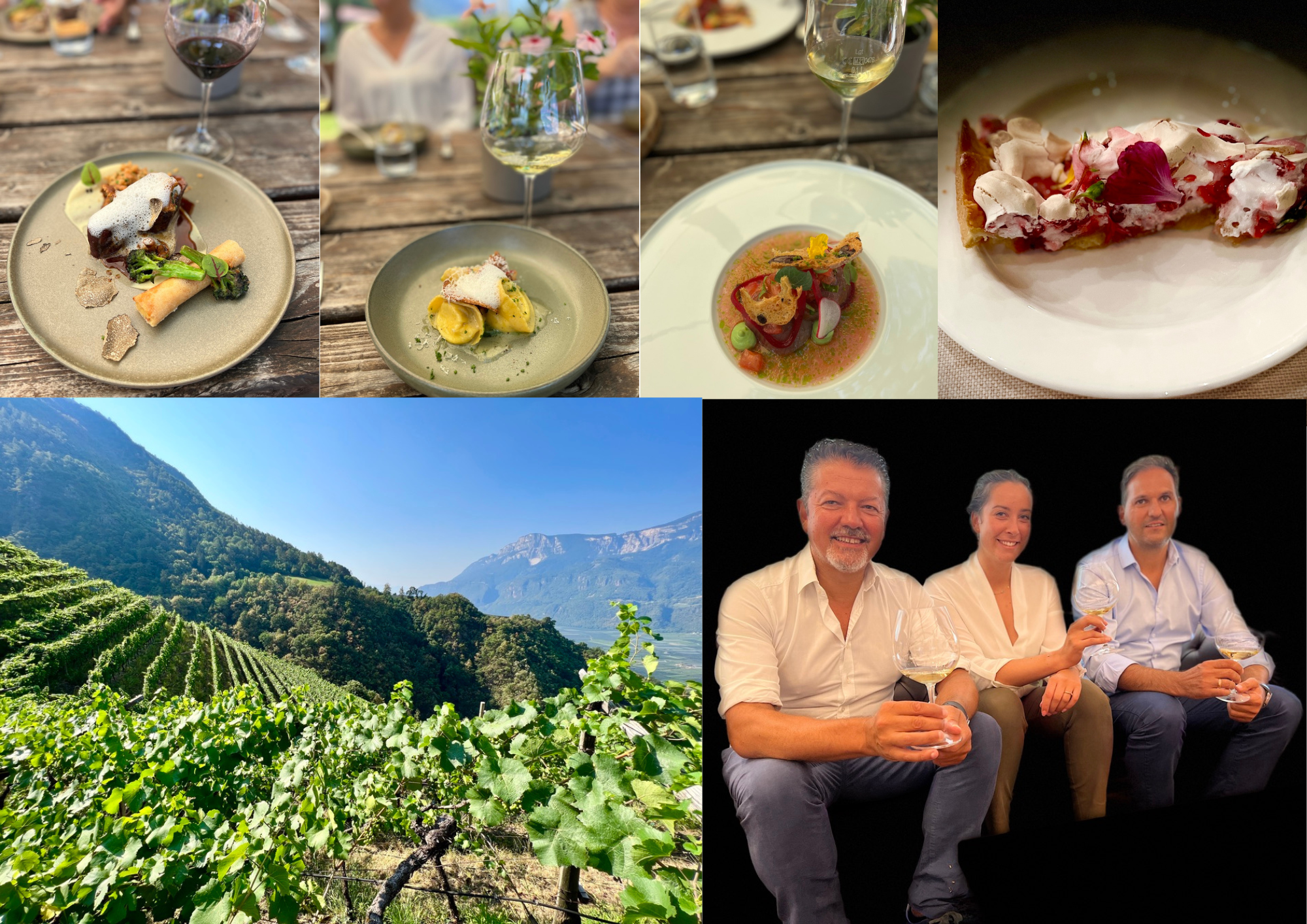
The smaller your plot of vines, the less volume of wine you can produce and the more challenged you are economically to invest in winemaking equipment, storage, marketing and quality upgrades. Southern Europe, especially southern Italy and Spain, historically also had lower per capita incomes and more fragmented land inheritance systems—which made cooperatives more attractive for vine growers.
However, in Germany only up to 30% of wines are produced by coops, while the average vineyard holding is about 3 ha (or about 8 acres), which is less than in France. Why the smaller percentage of cooperative produced wine in Germany? Because of strong rural economies providing access to capital, as well as better support systems such as subsidies, access to credit and technical assistance. Also, a lot of Germans produce wine as a hobby, and have other primary sources of income.
Examples of the outstanding wine cooperatives in Europe include:
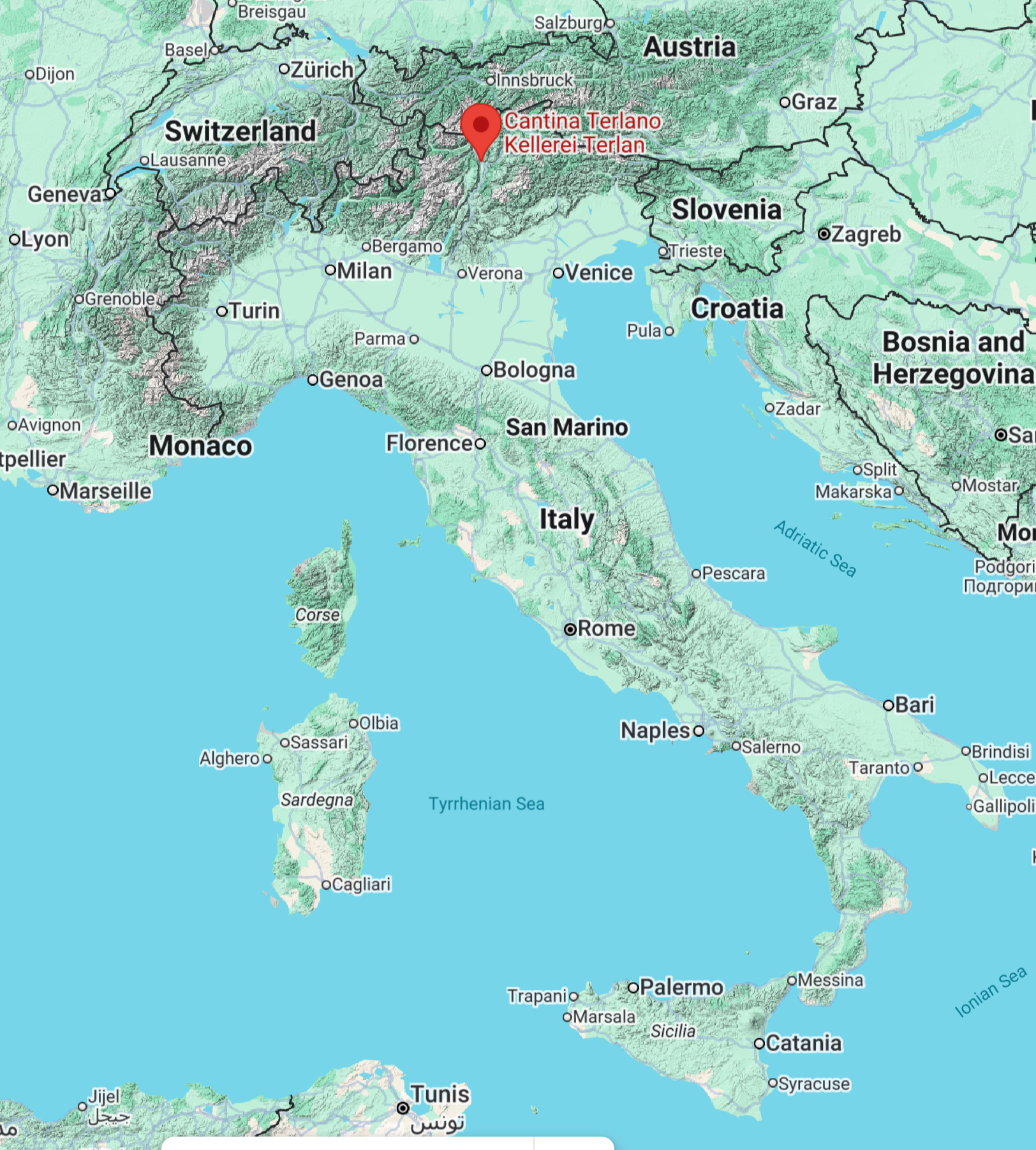
- Cantina Terlan in Alto Adige, northern Italy—focused on Pinot Bianco grapes.
- Produttori del Barbaresco in Piedmont, Italy—focused on Nebbiolo grapes.
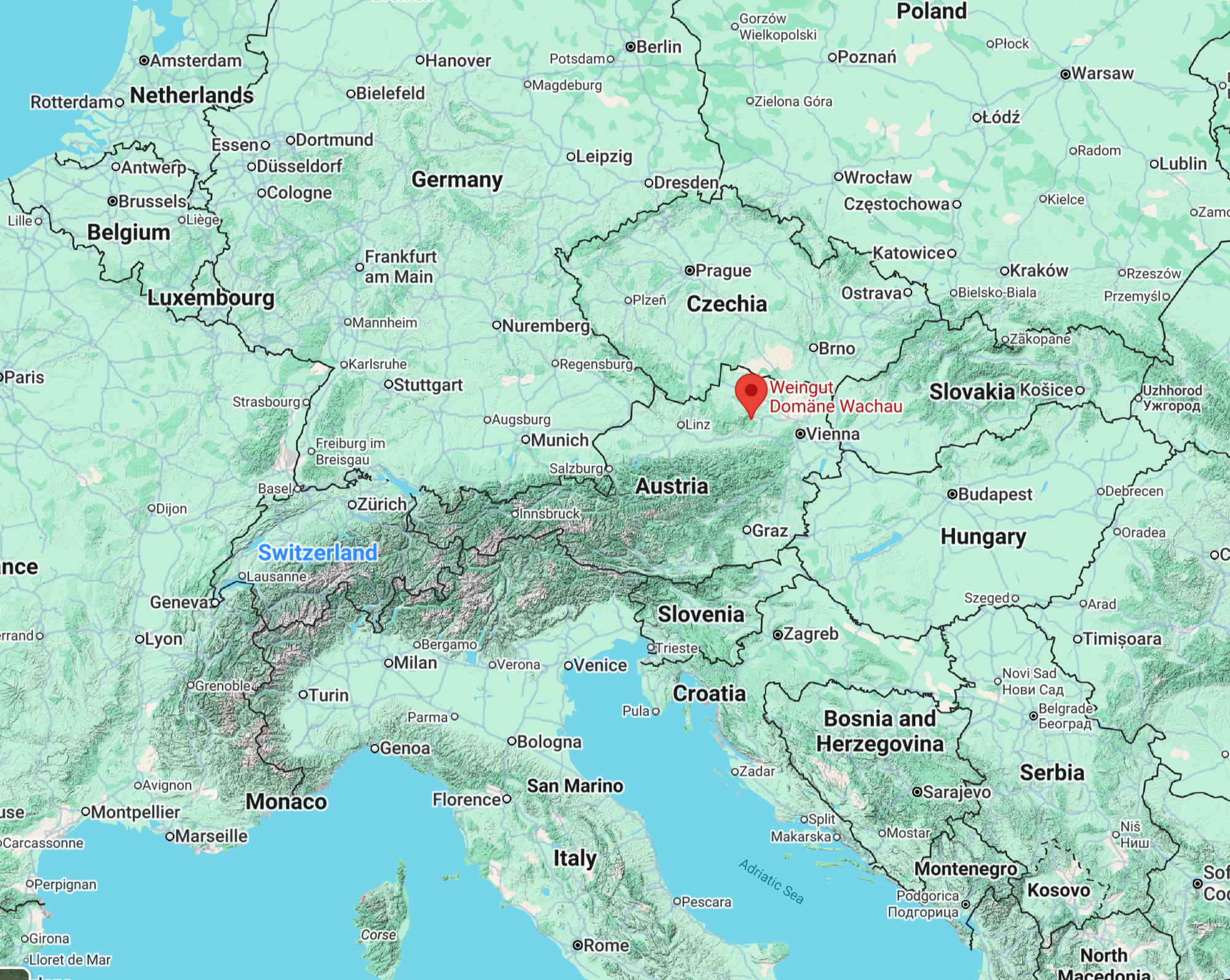
- Domäne Wachau in Austria—focused on grapes that include Grüner Veltliner.
- Cave de Ribeauvillé in Alsace, France—producing Grand Cru Rieslings
- La Chablisienne in Chablis, France—focused on Chardonnay grapes.
More Free Recipes from The Winemakers' Cooking Companion Cookbook—
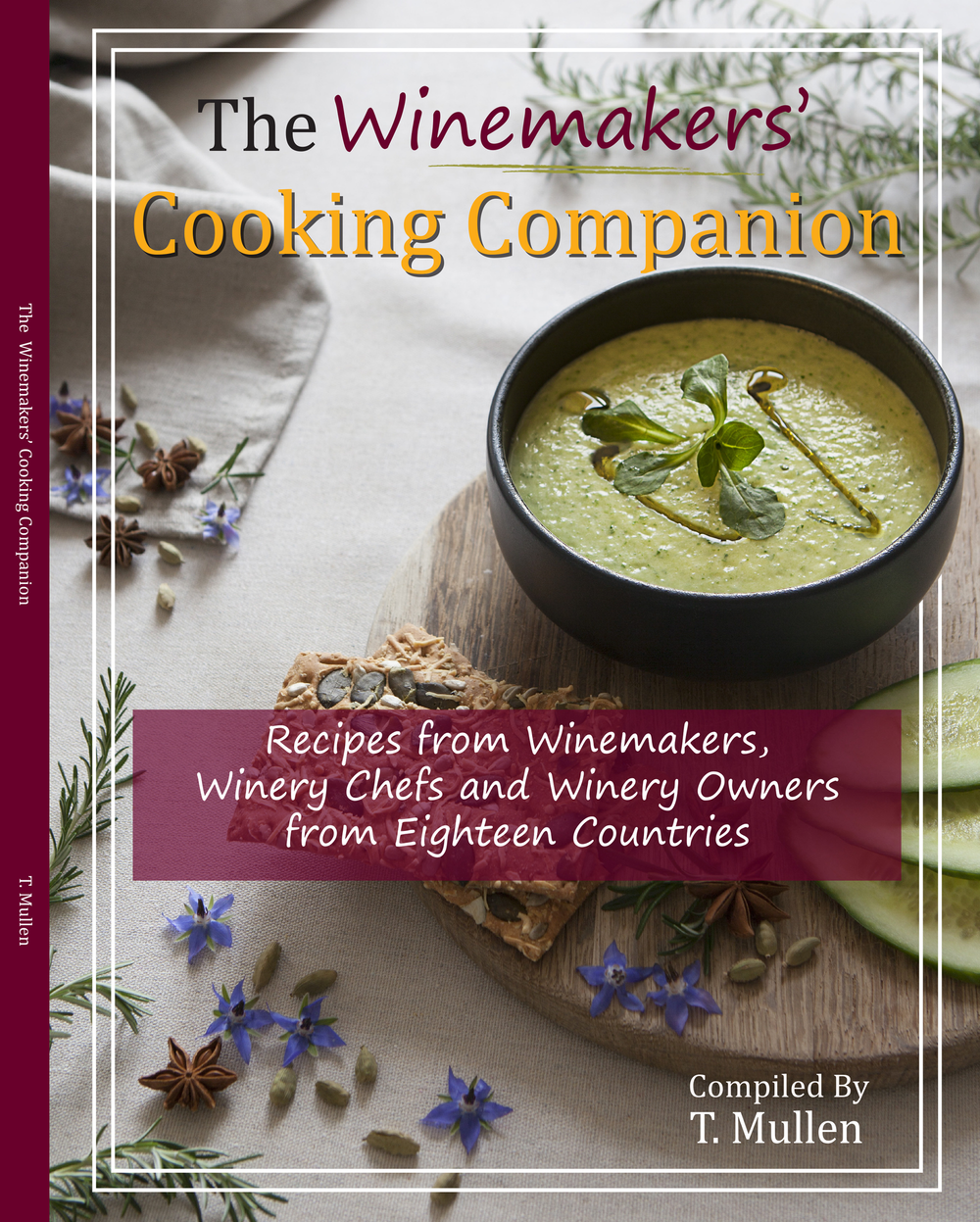
The Winemakers' Cooking Companion cookbook has been published! I spent years collecting and assembling these 108 recipes from 18 countries—contributed by winemakers, winery chefs and winery owners. Units are both metric and American, and recipes include several marked as vegetarian or vegan.
A few lively and fun book launch events will take place in later summer in my village in southern France—including at the Green Cat art gallery, as well as when four winemakers and four chefs cook up a storm of recipes from this cookbook! I'll let you know when these events take place in case you want to visit.
Available now in hardback and paperback editions.
Recipe—
The first free recipe below, from The Winemakers' Cooking Companion, is from the wine cooperative Dömane Wachau in Austria and is for Wiener Schnitzel. The recipe is straightforward and the results are beautiful. Season the meat, but remember not to over salt!
Wiener Schnitzel
From Dömane Wachau
in Dürnstein, Austria
Recipe—
The second free recipe (two today, because it is Bastille Day in France) below, from The Winemakers' Cooking Companion, is from the famed Cantina Terlano in Alto Adige, northern Italy. This recipe is one of my favorites, and although it is ideal for winter, consider it for late evening supper on a cooler summer evening.
Terlaner Wine Soup
From Cantina Terlan
in Alto Adige, Italy
Book Endorsement from a Wine, and Tea, Sommelier
Emily Seguy and I met in Patrimonio in northern Corsica years ago and since then have traveled together in the Bordeaux, Languedoc, Gascony and Basque regions of France. She studied at Château Cheval Blanc in Bordeaux, is a certified sommelier of both wine and tea (and an educator in both subjects), is a winemaker for a small quantity production of Auvergne blend of Syrah/Gamay/Pinot Noir and is also a dedicated fitness guruess. I mentioned her in this Forbes article years ago, and reviewed her Joia wine in this other article.
(Her fear, paradoxically, of driving an automatic car rather than a stick shift? I was able to cure this years ago in an old S Class Mercedes I had somehow procured. It is memorable because it had bulletproof glass, having belonged to the Nigerian ambassador to the Court of Saint James in London.)
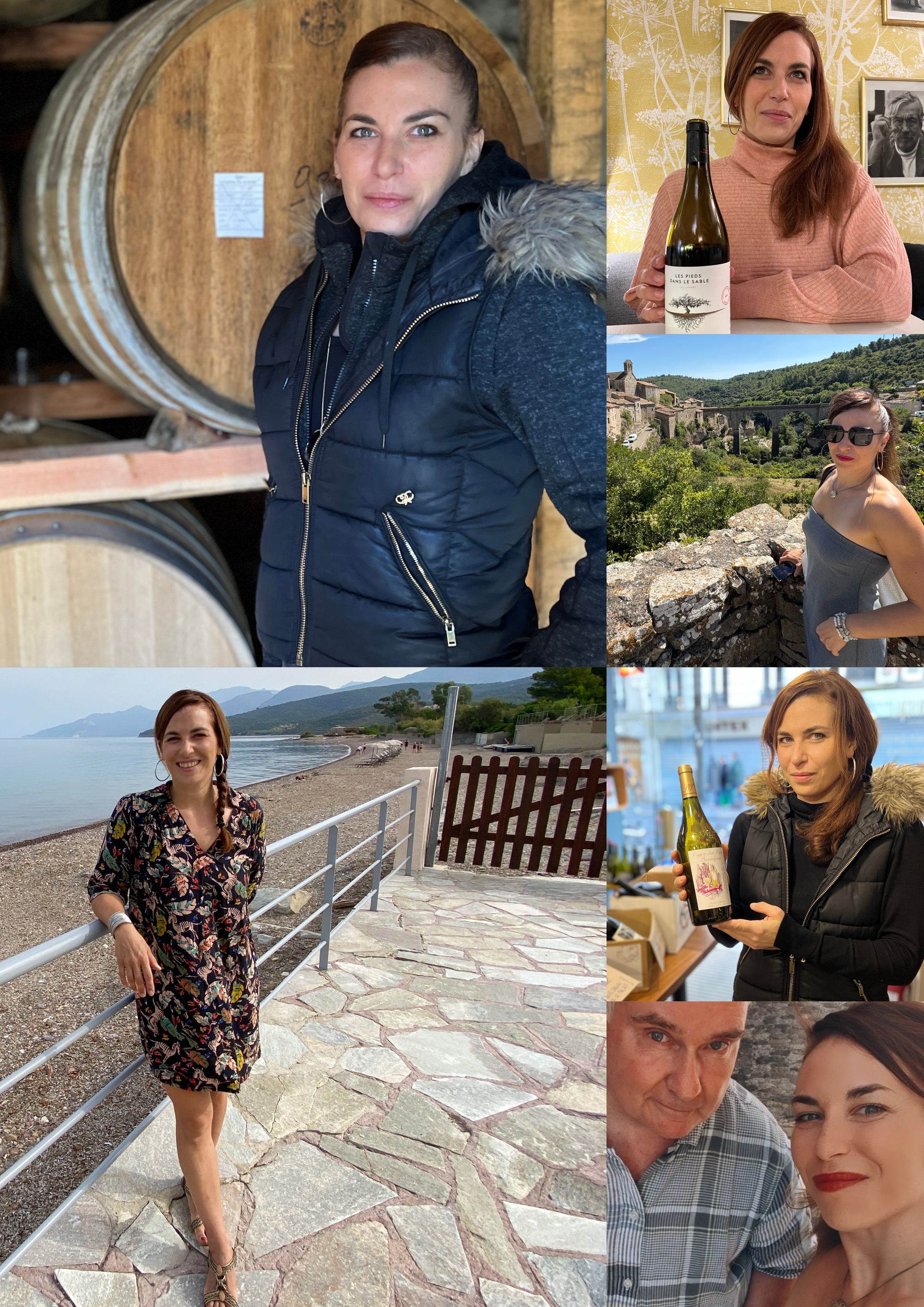
Emily provided a glowing testimonial for my cookbook—The Winemakers' Cooking Companion:
“The Winemakers’ Cooking Companion elegantly illustrates the natural link between wine culture and fine cuisine. Through these inspired and accessible recipes, the book celebrates seasonality, the precision of flavors, and the art of pairing. A refined source of inspiration for all those who love to think about wine at the table.”
—Emily Seguy, French wine and tea sommelier, winemaker and wine educator.
Learn more about Emily here, where you can also book her for sommelier advice for 15 to 30 minutes time slots.
Emily's wine includes Gamay. In the future you will be able download a free French dessert recipe for Tarte Bugiste from my cookbook The Winemakers' Cooking Companion below to pair with Gamay wine.
More Free Chapters From The Book Vino Voices: Wine, Work, Travel, Life—
I am going to provide ALL chapters from my book Vino Voices: Wine, Work, Travel, Life for free here during the coming months.
This book (originally written over a decade ago) has been revised and is available as an e-book. The hardback and paperback versions will be available later this summer.
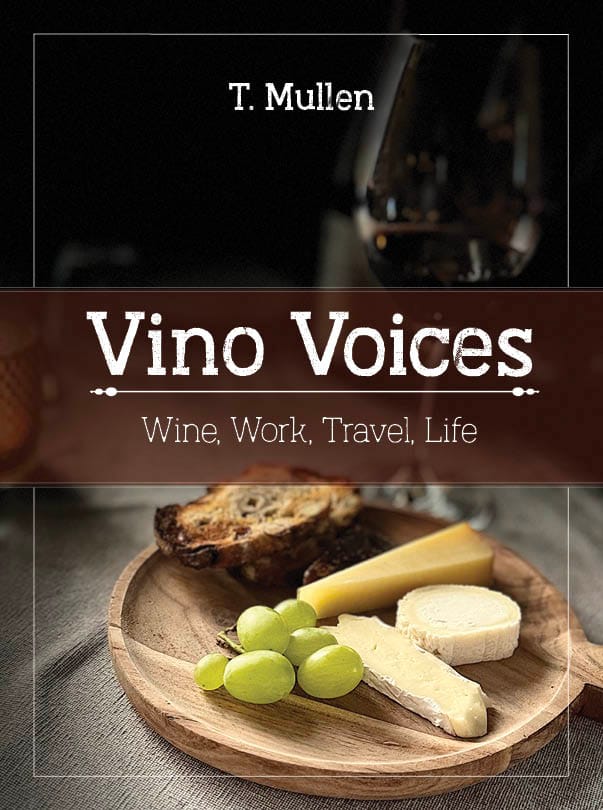
Here are Chapters Five and Six—about moving from Los Angeles to Paso Robles in California to create wine, and talking with a member of a prominent French Cognac family about opening a rural wine store.
What's Next In Vino Voices—
I'll soon feature:
- Reviews of wines from Bordeaux, Burgundy and Sardinia.
- Recipe for Barili Chardonnay Chicken from Spokane, Washington, USA.
- How to navigate French open air markets.
Thanks for tuning in!
Sign Up—Free Newsletters, Recipes, Videos—
Signing up to this Vino Voices site is free, and there is no obligation. You can unsubscribe anytime. Free weekly or biweekly newsletters will include information about food, wine, travel and books, as well as access to free recipes, video commentaries, and links to over 400 articles I wrote for Forbes during the past decade.
This is also an opportunity to join a community with others who share similar interests.
You can sign up using the box below. I will also send you a copy of my e-book titled Vino Voices: Wine, Work, Travel, Life. This e-book has just been republished. Hardback and paperback editions will also be available this summer. It is 230 pages long and includes interviews, made in a dozen countries, with more than 45 professionals working in the world of wine. They explain why they love their work. The book includes more than 100 photographs.
Join Vino Voices
Enter your email address and tap Sign Up.
We'll send you a confirmation link right away.
It's free and you can unsubscribe anytime.
Check your inbox and spam folder if you don’t see the email within a few minutes.
Follow me on Instagram at @tjlmullen or at @VinoVoices.
Available now in hardback and paperback editions.
Member discussion: